As the year comes to a close, I tend to see a familiar pattern in my exam room. December is a wonderful time filled with celebrations, travel, and cozy nights indoors—but it can also be one of the toughest months on your eyes.
Here are the most common eye issues I see in December, why they happen, and what you can do to protect your vision this season.
1. Dry Eyes Get Worse in Winter
Cold outdoor air, indoor heating, and low humidity all work together to dry out your eyes. Many patients tell me their eyes feel gritty, burn, or even water excessively—ironically, a sign of dryness.
What helps:
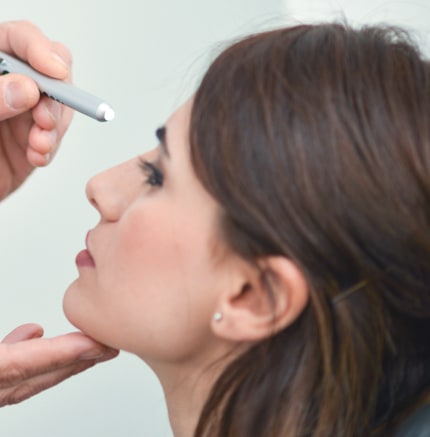
- Use preservative-free artificial tears regularly
- Run a humidifier at home, especially in bedrooms
- Avoid sitting directly in front of heating vents
- Stay hydrated (your eyes need water too!)
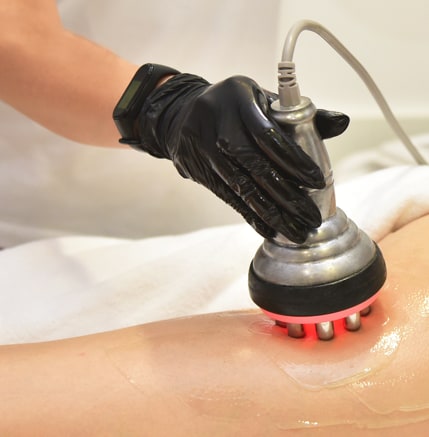
If dry eye symptoms are persistent, professional treatments may be needed—don’t ignore them.
2. Increased Screen Time = Eye Strain
Between holiday shopping, work deadlines, streaming movies, and kids home from school, screen time skyrockets in December. This often leads to headaches, blurry vision, and tired eyes.
My recommendation:
Follow the 20-20-20 rule: every 20 minutes, look at something 20 feet away for 20 seconds.
Also make sure your glasses or contacts are up to date—small prescription changes can make a big difference.
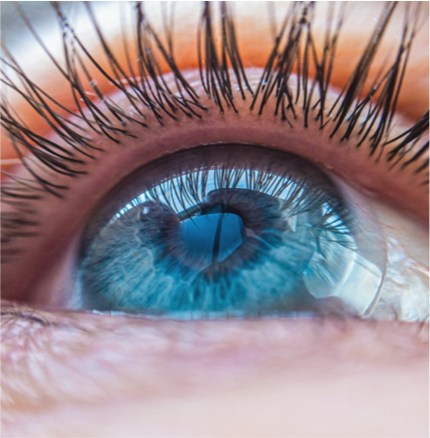
3. Contact Lens Discomfort
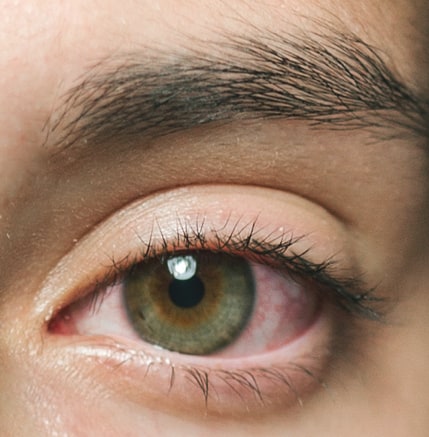
Winter dryness can make contact lenses feel uncomfortable or harder to wear for long periods. I often see more redness and irritation this time of year.
Tips for contact lens wearers:
- Never sleep in contacts unless approved
- Use rewetting drops made specifically for contacts
- Consider switching to daily lenses during winter
Give your eyes a break and wear glasses when possible
4. Holiday Makeup & Eye Irritation
Festive makeup, false lashes, and glitter can look great—but they’re also common causes of eye irritation and infections in December.
Protect your eyes by:
- Replacing old eye makeup every 3 months
- Never sharing makeup
- Removing makeup completely before bed
- Avoiding products that cause burning or itching
If redness or discharge develops, stop using makeup and call your eye doctor.
5. Eye Infections & “Holiday Pink Eye”
Between travel, family gatherings, and kids home from school, eye infections spread more easily in December. I often see an uptick in conjunctivitis this time of year.
Prevention tips:
- Wash hands frequently
- Avoid touching or rubbing your eyes
- Don’t share towels, pillows, or eye products
Keep contact lens cases clean and replaced regularly.
6. Don’t Forget About UV Protection
Even in winter, UV rays can damage your eyes—especially when snow reflects sunlight. Sunglasses aren’t just for summer.
Wear sunglasses with 100% UV protection when outdoors, especially while driving or enjoying winter activities.
A Final Thought from Me
December is busy, and eye care often falls to the bottom of the list—but your vision doesn’t take a holiday. If your eyes feel uncomfortable, blurry, or irritated, it’s your body’s way of asking for attention.
If you’ve been meaning to schedule an eye exam before the end of the year—or before your insurance benefits reset—now is the perfect time. My team and I are always happy to help keep your eyes healthy through every season.
Wishing you a happy, healthy holiday season and clear vision into the New Year.
– Dr. Deom