January is a time for fresh starts, new routines, and setting goals for the year ahead. While many people focus on fitness, nutrition, or organization, eye health is often overlooked. Each January in my exam room, I see a few common eye concerns that tend to surface right after the busy holiday season.
Here’s what I recommend focusing on as we begin the new year.
1. Dry Eye Symptoms Peak in Winter
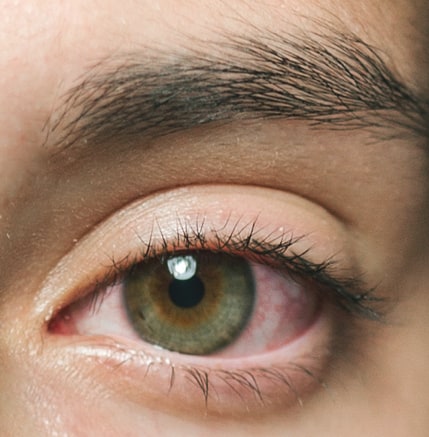
By January, winter conditions are in full effect. Cold outdoor air combined with indoor heating and low humidity can significantly dry out the eyes. Many patients describe irritation, burning, fluctuating vision, or excessive tearing.
What helps:
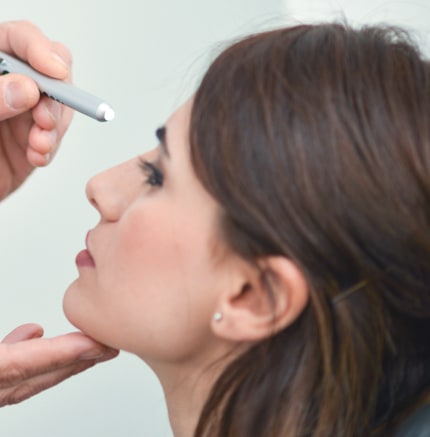
- Use preservative-free artificial tears consistently
- Run a humidifier in your home, especially in bedrooms
- Avoid sitting directly in front of heating vents
- Schedule an eye exam if symptoms persist—dry eye is very manageable with proper care
2. Post-Holiday Screen Fatigue
As routines settle back in, screen time often increases—whether for work, school, or simply staying indoors during colder days. This can lead to digital eye strain, headaches, blurry vision, and tired eyes.
My advice:
Practice the 20-20-20 rule: every 20 minutes, look at something 20 feet away for 20 seconds. Make sure your glasses or contact lens prescription is current, as even small changes can impact comfort and focus.
3. January Is a Popular Time for Vision Changes
Many patients notice subtle vision changes at the start of the year. This could be due to eye strain, dry eyes, or a prescription that’s no longer optimal.
If you find yourself squinting, experiencing headaches, or needing brighter light to read, it may be time for an eye exam.
4. Contact Lens Comfort in Cold Weather
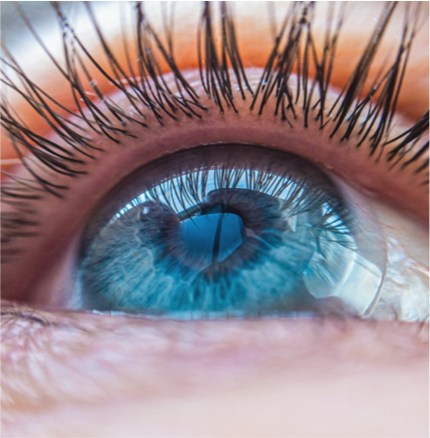
Dry winter air can make contact lenses feel uncomfortable or harder to wear for long periods. Redness and irritation are common complaints this time of year.
Helpful tips for contact lens wearers:
- Use rewetting drops approved for contacts
- Avoid over-wearing lenses
- Give your eyes breaks by wearing glasses
- Consider daily disposable lenses during winter months
5. New Year, New Insurance Benefits
January is also when many vision and medical insurance benefits reset. I encourage patients to take advantage of their coverage early in the year rather than waiting until symptoms arise.
A comprehensive eye exam doesn’t just check your vision—it can detect early signs of eye disease and other health conditions.
A Note From Me
Your eyes support everything you do each day, and January is the perfect time to prioritize their care. Whether you’re noticing discomfort, vision changes, or simply due for a routine exam, my team and I are here to help you start the year with clear, comfortable vision.
Wishing you a healthy and happy New Year.